

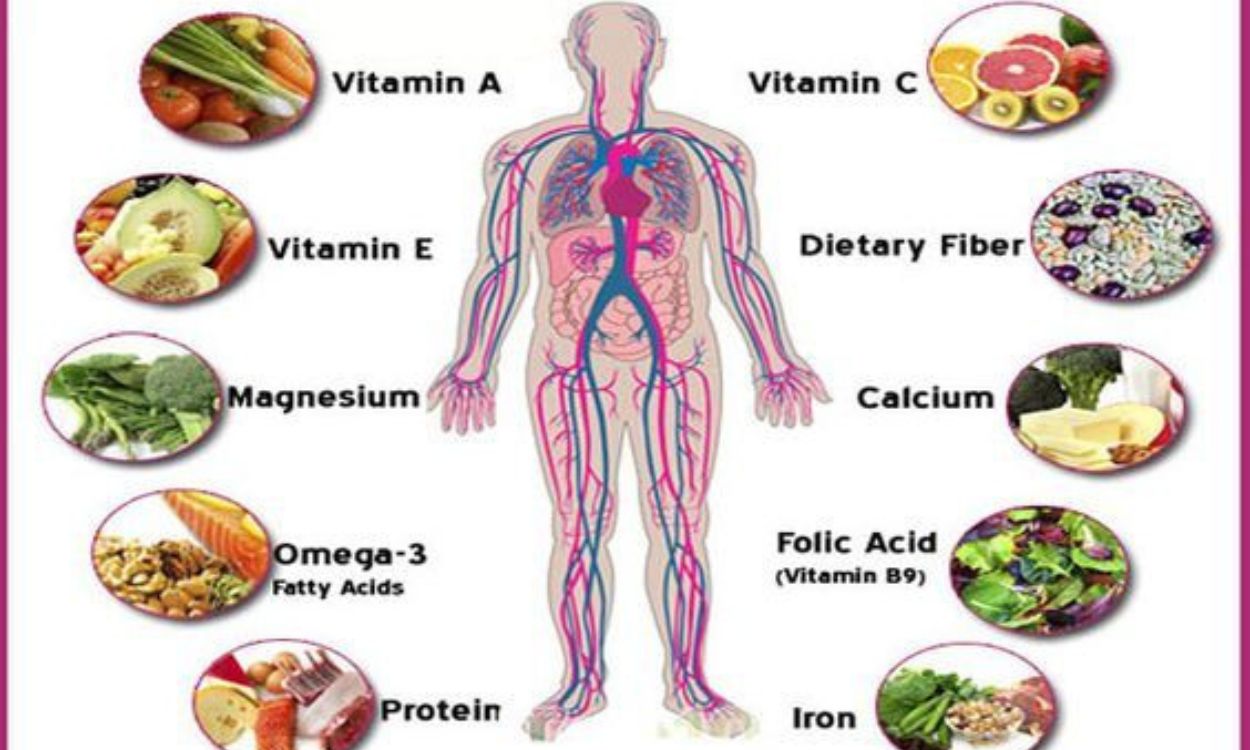
Vitamins and minerals are essential nutrients that keep the body functioning properly. Though needed in small amounts, they play powerful roles in cell structure, energy production, immune defense, and nearly every vital process that sustains life.
From childhood growth to healthy aging, these nutrients support people at every stage of life.
Table of Contents
Toggle1. The Role of Vitamins in the Body
Vitamins are organic compounds that the body cannot produce in sufficient quantities on its own. For this reason, they must be obtained regularly through food.
Even though they exist in small amounts in the body, vitamins are crucial for survival and overall well-being.
Key Functions of Vitamins
Vitamins help the body by:
-
Supporting cell growth and repair
-
Participating in metabolic processes
-
Strengthening the immune system
-
Regulating heart and nervous system function
-
Acting as catalysts to convert food into energy
-
Protecting cells through antioxidant activity
-
Assisting in detoxification and tissue repair
-
Supporting recovery from illness and improving general health
Each vitamin has its own unique function in addition to these general roles.
Important Vitamins and Their Specific Roles
Vitamin B Complex
-
Supports energy metabolism
-
Maintains healthy skin and hair
-
Promotes nervous system development
Vitamin A
-
Essential for vision
-
Supports immune health
-
Contributes to skin and cell health
Vitamin C
-
Acts as a powerful antioxidant
-
Strengthens blood vessel walls
-
Supports wound healing
-
Helps the body absorb iron
Vitamin D
-
Works with calcium to strengthen bones and teeth
-
Supports immune and muscle function
-
Deficiency may lead to rickets in children or bone weakness in adults
Vitamin E
-
Protects cells from oxidative damage
-
Supports skin and blood cell health
Vitamin K
-
Essential for proper blood clotting
-
Deficiency may cause prolonged bleeding
Vitamin Deficiency and Excess
While vitamins are essential, more is not always better. Both deficiency and excess can cause health problems.
Causes of Vitamin Deficiency
-
Poor or unbalanced diet
-
Digestive disorders affecting absorption
-
Antibiotic use that disrupts gut bacteria
-
Increased needs during growth, pregnancy, or illness
-
Genetic or metabolic disorders
-
Certain medications
Causes of Vitamin Overload
Excess intake is more common with fat-soluble vitamins (A, D, E, and K), as they accumulate in the body. Water-soluble vitamins (such as vitamin C and B vitamins) are usually excreted more easily.
Overconsumption can result from:
-
Excessive supplement use
-
High intake of fortified foods
-
Medical misuse
Balanced intake is key to avoiding both deficiency and toxicity.
2. The Role of Minerals in the Body
Minerals are inorganic elements that, like vitamins, cannot be produced by the body. They must be obtained from food and water.
Minerals are vital for:
-
Building bones and teeth
-
Maintaining fluid balance
-
Supporting muscle contractions
-
Regulating nerve impulses
-
Enabling enzyme function
-
Supporting immune response
A well-balanced diet ensures adequate mineral intake for long-term health.
Key Minerals and Their Functions
Magnesium
-
Supports muscle and nerve function
-
Regulates blood pressure
-
Helps maintain healthy bones
-
Assists in blood sugar control
Selenium
-
Acts as an antioxidant
-
Supports immune function
-
Influences white blood cell development
Iron
-
Essential for red blood cell production
-
Prevents anemia
-
Supports oxygen transport throughout the body
Iron deficiency may cause fatigue, hair loss, headaches, and dizziness.
Zinc
-
Supports immune health
-
Aids wound healing
-
Maintains taste and smell
-
Participates in DNA synthesis
Chloride
-
Component of stomach acid
-
Helps regulate fluid balance
Potassium
-
Maintains proper nerve and muscle function
-
Regulates heart rhythm
-
Balances body fluids
Low or high potassium levels may affect heart rhythm.
Sodium
-
Maintains fluid balance
-
Regulates blood pressure
-
Works closely with chloride
Why Balance Matters
Modern food processing, changing dietary habits, and soil nutrient variations have altered how we consume vitamins and minerals. Even though these nutrients are required in small amounts, both deficiency and excess can negatively impact health.
The best approach is:
-
A balanced diet rich in fruits, vegetables, whole grains, lean proteins, and healthy fats
-
Responsible supplement use under medical guidance
-
Regular health checkups to monitor nutrient levels when necessary
Final Thoughts
Vitamins and minerals are fundamental to every system in the body. They support growth, energy production, immunity, bone health, and overall vitality.
Maintaining the right balance — not too little and not too much — is essential for optimal health and development.
If you are concerned about nutrient deficiencies or supplementation, consult a healthcare professional for personalized guidance and proper assessment.