
Imagine this: fans from across the globe streaming into Mercedes-Benz Stadium in 2026, while music pulses through Centennial Yards and immersive experiences unfold across the city. Atlanta isn’t just hosting an event—it’s redefining what a global sports destination can be.
This moment isn’t only about competition. It marks a turning point for a city evolving into a fully integrated hub of sports, culture, and entertainment.
Table of Contents
ToggleThe Catalyst: A Global Stage
In the coming months, Atlanta will step into the international spotlight as a host city for one of the world’s biggest soccer tournaments. With eight matches scheduled and hundreds of thousands of visitors expected, the economic impact is projected to reach between $503 million and $1 billion.
But the real story goes beyond the numbers.
This event is accelerating years of planning and investment, fueling a downtown revival and positioning Atlanta as a model for how cities can blend sports, entertainment, and urban design to shape modern tourism.
What sets Atlanta apart is its approach: the experience won’t be limited to the stadium. Instead, it will stretch across a network of districts, fan zones, and public spaces—creating a city-wide, immersive environment. Visitors won’t just watch the action; they’ll become part of it through interactive installations, cultural programming, and shared experiences.
Decades after the 1996 Olympics, Atlanta continues to build on its legacy of strategic urban development. The city has embraced sports-led mixed-use districts that bring energy year-round, not just on game days.
This reflects a broader shift in global travel. Today’s audiences want more than events—they want connection, storytelling, and immersion. Atlanta is delivering exactly that.
The Momentum: A City Built for Every Day
Atlanta’s transformation isn’t tied to a single event. A new generation of sports and entertainment districts is being designed for daily life as much as for global spectacles.
At the heart of this evolution is Centennial Yards, a $5 billion redevelopment turning underused land into a vibrant, 24/7 destination. The project connects key parts of the city while introducing:
- Immersive fan experiences at Cosm
- A new Live Nation venue
- Hotels, retail spaces, and residential developments
Just nearby, South Downtown is undergoing a massive revival. Spanning 58 historic buildings across 16 acres, the district is being reimagined as a hub for creativity and entrepreneurship. Backed by a $150 million investment, it’s set to host dynamic fan experiences by summer 2026—extending the energy far beyond the stadium.
Together, these developments are reshaping not just Atlanta’s skyline, but how the city engages with visitors. A connected network of destinations is emerging—designed to keep people exploring, interacting, and returning long after the main events end.
The Legacy: Planning Beyond the Spotlight
While 2026 will bring global attention, Atlanta’s vision goes much further.
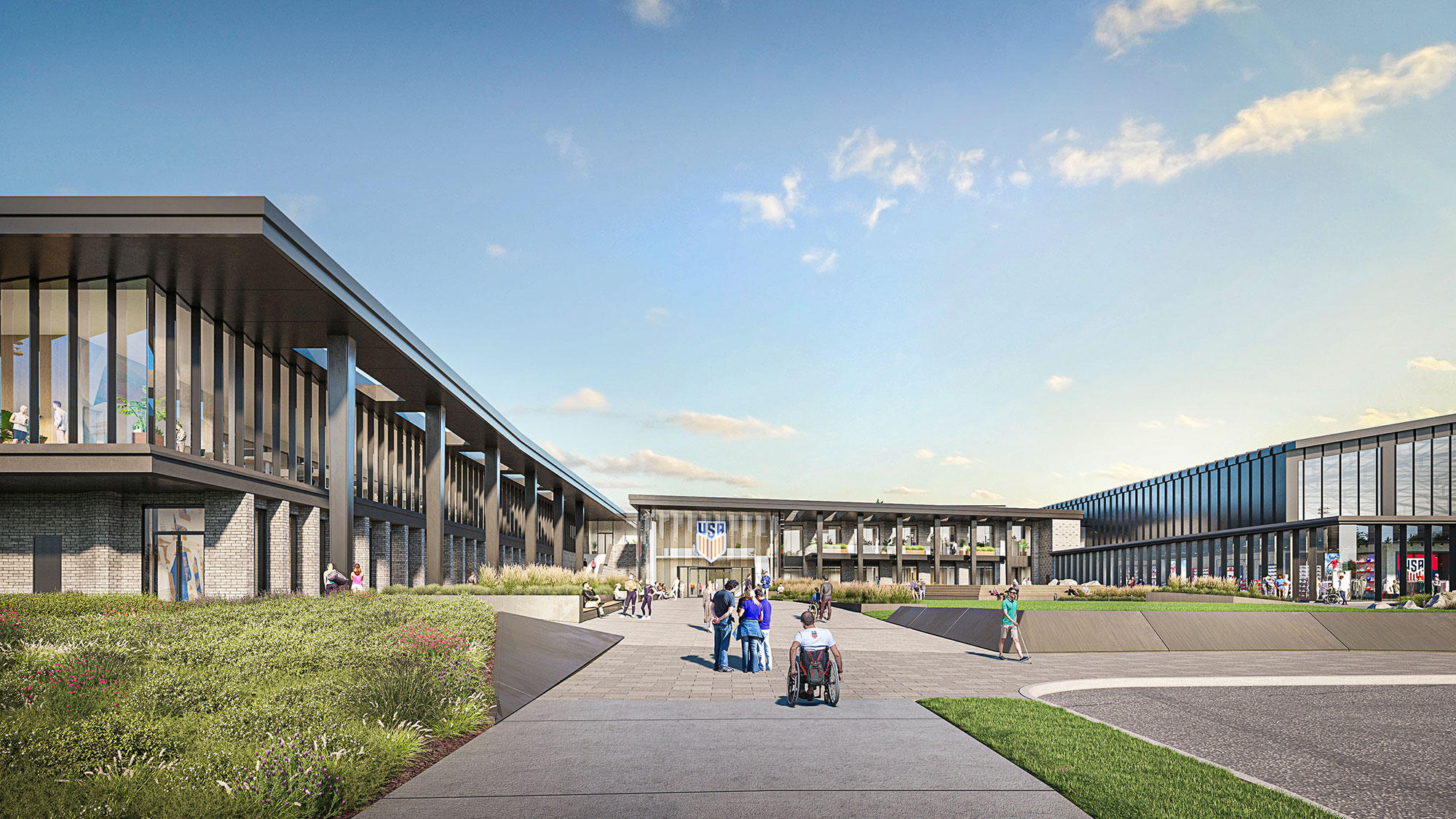
A key part of that future is the Arthur M. Blank U.S. Soccer National Training Center—a 200-acre facility that will serve as the home for all 27 U.S. national teams. Purpose-built for elite training and development, it cements Atlanta’s role at the center of soccer’s growing influence in the United States.
Looking ahead, continued investment will further energize the city:
- Completion of Centennial Yards will unlock new experiences and programming
- Expansion of South Downtown will strengthen the urban core
- The Russell Innovation Center will reinforce Atlanta’s entrepreneurial roots
And the global spotlight won’t fade anytime soon. In 2028, Atlanta will host Super Bowl LXII, adding another major milestone and reinforcing its reputation as a premier event destination.
At the same time, the sports landscape itself is evolving. The rapid rise of women’s sports is bringing new audiences and investment opportunities. Atlanta is well positioned to embrace this shift, expanding its reach and cultural relevance even further.
A Model for the Future
What’s happening in Atlanta represents something bigger than a single event cycle.
Entertainment districts are no longer built around occasional moments—they’re designed as continuous economic engines, driving tourism, attracting investment, and creating spaces where people gather and connect year-round.
Atlanta is operating in a rare window where global attention, cultural momentum, and strategic development align. The result is a blueprint for how cities can turn short-term visibility into long-term impact.
When visitors arrive, they won’t just find a host city—they’ll experience a destination built to inspire, engage, and lead the future of sports and entertainment.