
From sunny commutes across Chattanooga to weekend drives through the Tennessee Valley, vehicles face heat, glare, road grit, insects, tree sap, rain, and changing temperatures. Choosing ceramic coating for cars in Chattanooga, TN, or another protective upgrade works best when it solves a specific problem rather than simply adding another item to a vehicle’s build list.
Local conditions matter. A vehicle parked outdoors near mature trees may need a different care plan than a garage-kept car used mostly for downtown errands. Drivers who regularly travel I-24, I-75, or winding roads toward Lookout Mountain may place more value on front-end paint protection than someone whose main concern is a hot cabin after work.
Start With the Vehicle’s Main Problem
Before comparing products, identify what wears on the vehicle first. Cabin heat and glare point toward window film. Stone chips, bugs, and road debris point toward paint protection film. Water spotting and difficult wash routines may make a coating useful. Interior fading, pet hair, children’s gear, and cargo use call for regular cleaning plus practical floor, seat, and cargo accessories.
It also helps to separate function from appearance. Wheels, lighting, graphics, and audio upgrades can personalize a vehicle, but they should not compromise comfort, safety, visibility, or the surfaces that take the most daily abuse.
For drivers searching for automotive ceramic coating near me, the most useful question is not which product sounds the strongest. It is about whether the finish, coverage area, maintenance requirements, and price fit how the vehicle is actually used around Chattanooga.
Window Film Is More Than a Darker Look
Automotive window film is a thin laminate applied to glass, and its visible light transmission affects how light or dark the windows appear. Different window film constructions can be dyed, metalized, hybrid, or ceramic, with varying approaches to glare reduction, privacy, ultraviolet filtering, and solar heat control.
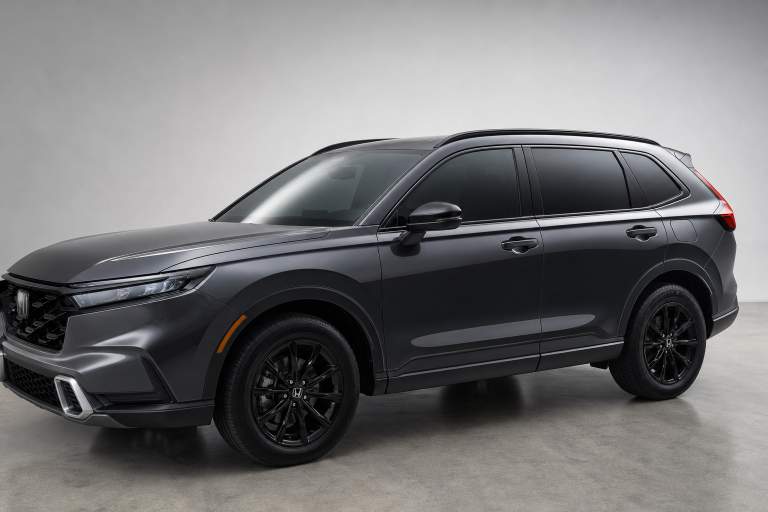
A darker film does not automatically mean better heat rejection. A lighter ceramic option may be a better match for a Chattanooga driver who wants less glare and solar heat while keeping clear outward visibility. Metalized film can affect electronic signals in some vehicles, while dyed films may be chosen primarily for appearance and privacy. Always check current Tennessee and local requirements before selecting the darkness of the film, especially for front windows and windshields.
Paint Protection Film and Ceramic Coatings Have Different Jobs
Paint protection film, often called PPF, is a physical layer placed over painted panels. It is commonly prioritized for high-impact areas such as the front bumper, hood edge, mirrors, rocker panels, door cups, and cargo ledge. It can help reduce damage from light abrasions, insects, and road debris, but it cannot prevent every scratch or protect against collision damage.
Ceramic coatings bond to prepared surfaces and can create a slicker, glossier finish that helps water and surface contamination release more easily during washing. They are often used on paint, wheels, glass, and selected trim. A coating does not replace PPF where rock chips are the main concern, and PPF does not eliminate the need for washing. Think of film as impact-focused protection and coating as a surface-care upgrade.
Choose Coverage Without Overspending
- List the real risks. Consider highway mileage, gravel parking, outdoor storage, pets, children, and frequent trips.
- Rank vulnerable areas. Front-facing panels may deserve priority over low-contact areas that still look new.
- Set a practical budget. Protecting high-impact sections first can be more useful than choosing appearance-only upgrades.
- Ask about upkeep. Confirm which soaps, wash methods, drying practices, and curing periods are recommended.
- Request a written scope. It should identify materials, covered panels, paint preparation, warranty terms, and aftercare instructions.
Installation Quality Affects the Result
Surface preparation is essential because film and coatings are applied over whatever remains on the paint or glass. During final inspection, look for obvious trapped debris, lifting corners, uneven edges, excessive bubbles, missed coating areas, or poor alignment around trim. Some temporary haze or moisture can appear while the film cures, so follow the installer’s guidance before assuming a fresh installation has a defect.
Take photos in bright, even lighting before leaving. Then follow the stated waiting period before washing, rolling down the windows, or applying cleaners. Product-specific after-installation care instructions commonly emphasize clean water, soft materials, gentle cleaning, and the avoidance of abrasive brushes during early curing.
Simple Habits That Protect the Investment
- Wash with clean water, mild automotive soap, a soft mitt, and microfiber drying towels.
- Remove bird droppings, fuel, bug residue, sap, and pollen buildup as soon as practical.
- Avoid harsh solvents and rough brushes unless the product manufacturer specifically approves them.
- Use touchless washing when brushing, as it could scratch the film or lift vulnerable edges.
- Dry the vehicle to reduce mineral spotting, especially after rain in Chattanooga or sprinkler exposure.
- Park in shade, under cover, or indoors when possible to reduce unnecessary sun exposure.
Where Accessories, Lighting, and Audio Fit
Accessories should support the vehicle’s purpose. Protective mats, seat covers, cargo liners, dash cameras, remote start systems, upgraded lighting, wheels, tires, and audio equipment can improve daily use when selected carefully. Confirm electrical compatibility, visibility, mounting locations, and sensor clearance before installation. Nothing should block a camera, headlight, airbag path, mirror view, or driver control.
Common Questions
Does window film keep a car completely cool?
No. It may reduce solar heat and glare, but cabin temperature still depends on weather, parking location, glass area, interior color, ventilation, and air-conditioning use.
Is a ceramic coating permanent?
No coating removes the need for maintenance. Service life depends on preparation, product type, climate, washing habits, and exposure to contaminants.
Can an older vehicle still receive protection?
Yes. Older paint may first need thorough cleaning, decontamination, or correction so the new film or coating is applied to a properly prepared surface.
A Checklist Before Booking Work in Chattanooga
- Confirm the exact product category and surfaces included.
- Ask how paint, glass, trim, cameras, and sensors will be protected during installation.
- Review tint legality, written warranty terms, curing instructions, and total price.
- Inspect completed work in bright lighting before accepting the vehicle.
Conclusion
Vehicle protection in Chattanooga, Tennessee, works best as a practical plan. Window film can improve comfort and glare control. Paint protection film can help defend high-impact painted areas. Ceramic coatings can support easier washing and a polished appearance. Combine the right upgrades with careful installation and routine maintenance, and the vehicle will be better prepared for everyday driving across the Scenic City.