
Table of Contents
ToggleUnderstanding Blog Posts
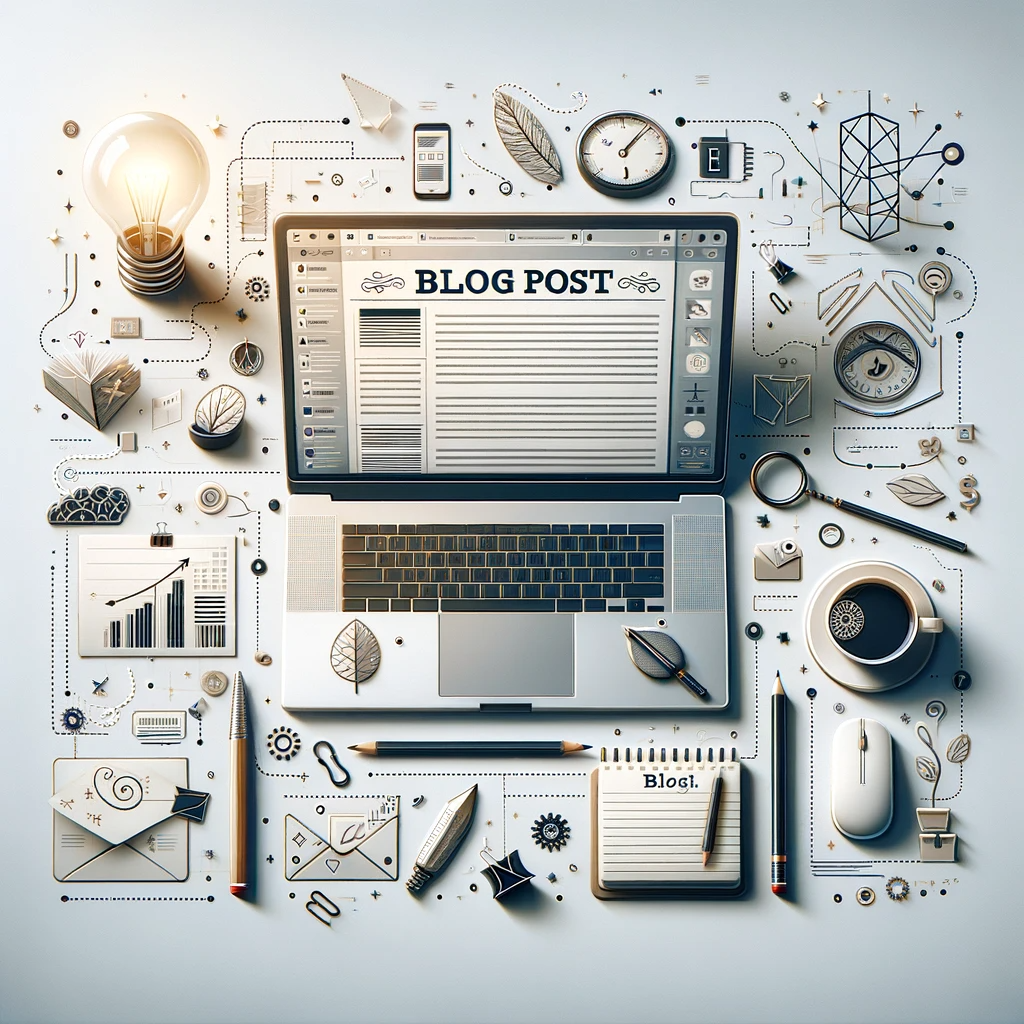
A blog post is a powerful way to share information, tell stories, or spark discussions within a community. It encourages engagement by allowing readers to comment, share opinions, and ask questions.
Effective blog posts can be used to:
- Announce updates or news
- Share meaningful stories or experiences
- Provide expert insights or thought leadership
- Inform readers about relevant developments
However, blogs shouldn’t be used just to drop a link without explanation or to make vague collaboration requests. If you’re planning to post content that requires frequent updates, a document-style post might be more suitable.
When referencing content published elsewhere (like an external blog), it’s better to link to the original source and add your own context or perspective to encourage discussion rather than copying everything.
Blog Article Status: Workflow Stages
Every blog goes through a structured publishing process with four possible stages:
- Draft: The article is still being written or edited
- Awaiting Review: Ready for evaluation by reviewers
- Awaiting Publication: Approved and waiting to be published
- Published: Live and visible to the community (replaces older versions if updated)
User Roles and Permissions
Different roles within the community have different levels of access:
Admins & Managers (Esri, Place Managers, Ideas Managers)
They can:
- Create and publish blogs instantly (no review needed)
- Submit posts for review
- Add co-authors
- Access the Blog Dashboard to manage and schedule posts
- Edit drafts and publish pending articles
MVPs & Blog Authors
These selected contributors can:
- Create and edit blog posts
- Save drafts
- Add co-authors
- Submit articles for review
- Track their posts via the Blog Dashboard
General Community Members
They can:
- Read and comment on blogs
If someone wants to become a contributor, they can request access by contacting the community team.
Steps to Create a Blog Post
To get started, you must have the required permissions.
- Go to your group or community section and open the Blog board
- Click on Create a Post or New Article
- Add a title in the subject line
Using an Article Teaser
You can include a short teaser to grab attention. This snippet appears in feeds but not inside the full blog post. If no teaser is added, part of the blog content will be shown instead.
Writing the Blog Content
- Add your main content in the body section
- Use formatting tools for better presentation
- Expand the editor box for easier writing
- Preview your article before publishing
Extra Settings
- Choose whether to receive email notifications for comments
- Add labels and tags to improve discoverability
- Include co-authors who can help edit the post
Drafting, Reviewing, and Publishing
For Blog Authors, the process typically looks like this:
- Start by writing your blog
- Click Save Draft to store it (initial version is labeled 0.1)
- Use Submit for Review when it’s ready
After submission:
- The article moves to Awaiting Review
- A Place Manager or authorized reviewer checks the content
- Once approved, it moves toward publication
You can track your blog’s progress through the Blog Dashboard, where you can view drafts, updates, and status changes.
Final Thoughts
Creating a blog post isn’t just about writing—it’s about delivering value, encouraging engagement, and following a clear publishing workflow. By understanding roles, using the right tools, and structuring your content effectively, you can create impactful blog posts that resonate with your audience.