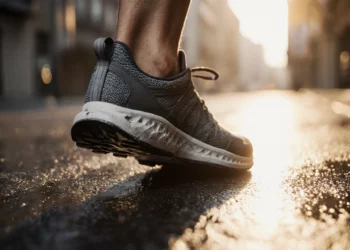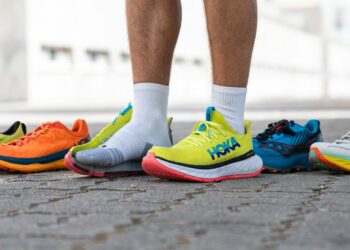


Every runner has that one favorite pair—the shoes that feel perfect from the first step to the last mile. Letting them go is never easy.
But here’s the reality most runners overlook: holding on to old shoes is one of the easiest ways to invite injury.
As the seasons change and runners increase mileage, switch terrains, or move from treadmill to outdoor running, a spike in foot, knee, and lower-leg pain often follows. And more often than not, the culprit isn’t training—it’s worn-out footwear.
Let’s explore why replacing your running shoes is essential, what really happens when they wear down, and how to keep your body protected.
Table of Contents
ToggleWhy Running Shoes Are More Important Than You Realize
With every stride, your body absorbs impact forces that can reach 2 to 4 times your body weight.
Your running shoes act as your first line of defense by providing:
-
Cushioning
-
Shock absorption
-
Stability
-
Energy return
-
Support tailored to your foot shape
But over time, these features break down. The cushioning compresses, the structure weakens, and even if the shoes still feel “okay,” they’re no longer doing their job.
When that protection fades, the stress doesn’t disappear—it transfers directly to your joints and muscles.
What Happens When You Keep Running in Old Shoes
Even if your shoes look fine on the outside, the real damage happens inside—especially in the midsole.
Here’s how worn-out shoes can affect your body:
1. Increased Stress on Joints
As cushioning loses its bounce, your body absorbs more impact.
You may start to notice:
-
Knee discomfort
-
Shin soreness
-
Fatigue in the feet and arches
-
Tight hips or calves
It’s subtle at first, but over time, the strain builds up.
2. Changes in Your Running Form
Old shoes can quietly alter how your foot strikes the ground.
Common shifts include:
-
More inward rolling (overpronation)
-
Heavier, less controlled foot strikes
-
Shorter strides
-
Reduced rhythm or cadence
-
Less stability, especially on uneven ground
These small adjustments can overload muscles and tissues that aren’t used to the extra stress.
3. Greater Risk of Overuse Injuries
Worn footwear doesn’t directly cause injuries—but it removes the protection your body relies on.
This increases the likelihood of conditions like:
-
Plantar fasciitis
-
Achilles tendon irritation
-
Shin splints
-
Knee pain
-
IT band issues
-
Arch discomfort
When combined with higher mileage or surface changes, the risk rises significantly.
4. Reduced Running Efficiency
If your runs suddenly feel harder—even at an easy pace—it might not be your fitness.
It could be your shoes.
As cushioning breaks down, energy return decreases. That means your legs have to work harder to maintain the same speed, making every run feel more effortful and less responsive.
When Should You Replace Your Running Shoes?
Most running shoes last 300 to 500 miles, but lifespan depends on factors like:
-
Your running style
-
Body weight
-
Type of shoe
-
Surfaces you run on
-
Whether you rotate pairs
That said, your body often gives better signals than mileage.
Signs it’s time for a new pair:
-
Unusual soreness after easy runs
-
New aches within the first mile
-
Shoes feel flat or lifeless
-
Visible wear on the outsole
-
The shoe leans or collapses when set down
-
You can’t remember when you bought them
Quick tip: Write the purchase or first-run date inside the shoe to track usage easily.
Why Rotating Shoes Makes a Big Difference
Using more than one pair of shoes isn’t just for serious runners—it’s a smart strategy for injury prevention.
Benefits of rotating shoes:
-
Foam gets time (24–48 hours) to recover
-
Different shoes distribute stress differently
-
Reduced repetitive strain on the body
-
Longer lifespan for each pair
A simple rotation could include:
-
A daily trainer
-
A faster or long-run shoe
-
Optional: trail shoes
-
Optional: race-day shoes
You don’t need a huge collection—just enough variety to support your training.
Surface Matters More Than You Think
Different terrains affect both your body and your shoes:
-
Road running: Higher impact, faster wear
-
Treadmill: Softer surface, longer shoe life
-
Trails: Less impact but more twisting and lateral stress
If you’re transitioning between surfaces—especially during seasonal changes—it’s the perfect time to reassess your footwear.
The Value of Proper Shoe Fitting
Choosing the right shoe isn’t just about comfort—it’s about how your foot moves.
A proper fitting considers:
-
Your gait and stride mechanics
-
Arch type and foot structure
-
Running goals and terrain
Getting expert advice can make a significant difference in comfort, performance, and injury prevention.
When Standard Shoes Aren’t Enough
For runners dealing with persistent discomfort or unique foot mechanics, additional support may be necessary.
Custom orthotics can help with:
-
Improving alignment
-
Distributing pressure more evenly
-
Reducing strain on tendons and joints
-
Enhancing comfort during long runs
They’re especially useful for runners who haven’t found relief despite trying multiple shoe options.
Final Thoughts
Running shoes aren’t just gear—they’re essential protection for your body.
Ignoring worn-out footwear can lead to subtle changes in movement, increased stress on your joints, and a higher risk of injury. On the other hand, replacing your shoes at the right time can keep you running stronger, longer, and pain-free.
If your runs feel off, don’t just question your fitness—take a look at what’s on your feet.