

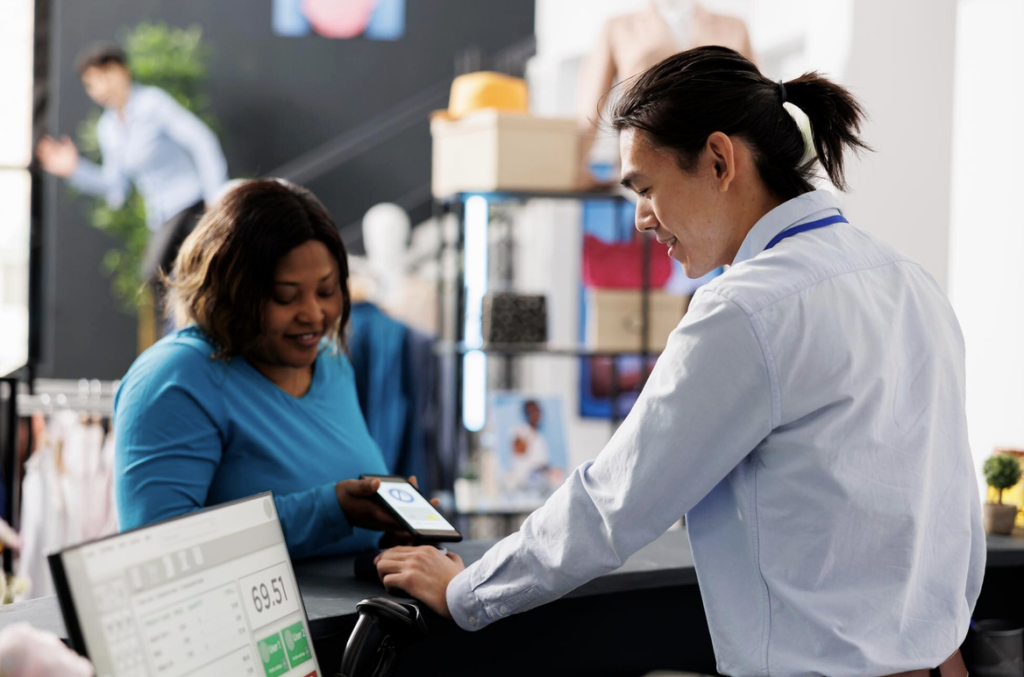
Long checkout lines and cumbersome payment processes have long been pain points for shoppers. Retailers are now deploying innovative technologies, such as self checkout system, to streamline these experiences, elevating both customer satisfaction and operational efficiency. These advancements are moving beyond basic improvements, fundamentally reimagining how checkout is managed in modern retail.
From self-service kiosks to smart shopping carts, technology is reshaping the in-store journey. Customers expect convenience and speed, motivating retailers to invest in solutions that eliminate traditional friction points. Across industries, the adoption of automation reduces wait times and empowers shoppers to engage more seamlessly with their favorite brands. These innovations go beyond simply speeding up transactions. They enable greater flexibility in staff roles, allow retail teams to be more responsive to shopper needs, and make customer data work harder to anticipate demand peaks. As these technologies mature, retailers gain the ability to deliver tailored promotions and richer shopping experiences that elevate both loyalty and revenue. Industry analysts emphasize that process intelligence and automation are not solely about convenience. These advancements create more resilient retail ecosystems, poised to adapt to changing market conditions and fluctuating labor availability. As more retailers turn to digital-first solutions, traditional checkout lags as a source of frustration, a problem increasingly addressed by smart technology.
Self-Service Kiosks: Empowering Customers
Self-service kiosks have swiftly become a critical component of the modern retail environment. By enabling customers to scan and pay for items independently, these kiosks reduce wait times and increase shopper autonomy. Research from the National Retail Federation underscores that self-service technologies are now fundamental in both grocery and specialty retail, offering relief for staffing challenges and supporting an improved overall in-store experience. By strategically implementing kiosks throughout the store, retailers help minimize bottlenecks during peak times.
Additionally, self-service kiosks boost operational productivity by freeing up staff to focus on customer service, inventory restocking, and in-store engagement. Businesses can frequently update kiosk interfaces to reflect new promotions, seasonal offerings, or changes in product availability, enhancing the store’s agility in responding to market shifts. Customers, in turn, benefit from a seamless, user-friendly experience that caters to both quick trips and leisurely shopping. Data from kiosk usage also provides retailers with insights into shopper preferences and behaviors, enabling more precise forecasting and inventory management.
Mobile POS Systems: Bringing Checkout to the Customer
Mobile POS systems put checkout capabilities directly in staff’s hands via wireless devices, breaking free from traditional register constraints. Associates can approach customers in any area of the store, offer product recommendations, and process payments instantly. This approach not only eliminates long lines but also delivers a more personalized shopping experience. According to a recent Peppr POS analysis, retailers integrating mobile POS report higher customer satisfaction scores and faster throughput, especially during promotional events and holidays.
This mobility enables retailers to quickly reconfigure their sales floor, supporting pop-up displays, flash sales, and on-the-go product demonstrations. For customers, the flexibility of mobile POS translates into convenient assistance, as employees can resolve issues or answer questions without the limitations of a fixed checkout counter. Staff are also better equipped to cross-sell and upsell effectively by leveraging customer data and shopping history visible on their devices, further enriching the in-store journey. During high-traffic periods, temporary checkout stations can be set up quickly, helping the retailer handle surges in demand smoothly and efficiently.
Biometric Payments: The Future of Secure Transactions
One of the most cutting-edge trends in automated checkout is the rise of biometric payments, including facial recognition and fingerprint scanning. By using unique physical characteristics to authenticate shoppers, biometric systems offer quick, secure transactions and eliminate the need for cash or cards. While the benefits in terms of speed and security are pronounced, retailers are tasked with ensuring privacy protection and transparency in how biometric data is used. Clear communication and robust encryption standards are vital to fostering consumer trust and compliance with global privacy regulations.
Furthermore, biometric payment solutions can reduce fraud and mistaken identity in transactions, adding an extra layer of protection for both consumers and retailers. While some customers may initially have reservations about sharing their biometric data, ongoing education and the demonstration of security protocols are key. Early adopter brands are already reporting notable decreases in checkout abandonment rates and incidents of card-related theft or loss. As privacy regulations evolve, businesses must stay vigilant, continuously updating their security frameworks and providing clear opt-in choices to help establish lasting trust and pave the way for wider acceptance of these advanced payment methods.
Smart Shopping Carts: Revolutionizing the Shopping Experience
Smart shopping carts equipped with integrated sensors and digital screens are transforming how customers navigate stores and complete their purchases. These carts automatically detect added items and display running totals, helping shoppers keep track without manual scanning at checkout. The interactive screens can deliver targeted promotions or product guidance in real time, personalizing each shopping trip. Early adopters, such as major supermarkets, report a dramatic decrease in typical checkout times and increased engagement with loyalty programs as these features make the shopping process both quicker and more enjoyable.
With constant innovation, smart carts may soon offer even greater capabilities, including personalized shopping lists, voice-activated assistance, and real-time inventory updates. By integrating these functions, retailers can guide customers to specific products, notify them of special deals along their route, or even suggest complementary items based on purchase behavior. These enhancements all contribute to increased customer engagement, encourage upselling, and make the journey from entry to checkout as smooth and interactive as possible. By leveraging the gathered data, retailers are better positioned to optimize store layouts and merchandising strategies.
AI and Process Intelligence: Streamlining Operations
Artificial intelligence and process intelligence tools analyze transaction data and foot traffic patterns to pinpoint inefficiencies within the checkout process. By leveraging these insights, retailers can anticipate busy periods, optimize labor scheduling, and even fine-tune store layouts for smoother customer flow. According to TechRadar, AI enables retailers to introduce changes that reduce congestion and tailor service to specific customer segments in real time, leading to higher conversion rates and positive feedback. Predictive algorithms and automation enable rapid responses to evolving traffic patterns, ensuring that checkout lanes and service counters are adequately staffed at any time of day. As machine learning models grow more sophisticated, they can recommend dynamic pricing strategies, resource allocation, and immediate interventions to mitigate operational bottlenecks. Retailers using AI-driven tools not only experience fewer operational disruptions but also create a more responsive, adaptable environment for both shoppers and employees. In the long term, these tools form the foundation for a continuously improving, customer-centric shopping experience.
Conclusion
Retailers that embrace technology-driven automation, spanning self-service kiosks, mobile POS systems, biometric payments, smart shopping carts, and AI solutions, gain a powerful edge in today’s highly competitive landscape. By reducing the friction and delays traditionally associated with checkout, these innovations empower both shoppers and staff. As automation becomes more widespread, stores can expect greater operational efficiency, increased customer satisfaction, and a clear pathway toward future-proofing their business against evolving consumer demands. The ongoing adoption of these technologies signals a shift toward a more integrated and intelligent retail ecosystem, where every touchpoint can be optimized for speed, security, and personalized service. As customer expectations continue to rise, those retailers that invest in next-generation checkout and automation strategies will be best positioned to foster lasting loyalty and create memorable, seamless experiences. In the ever-evolving world of retail, staying ahead with innovation isn’t just about keeping up, as it’s about defining the future of shopping itself.